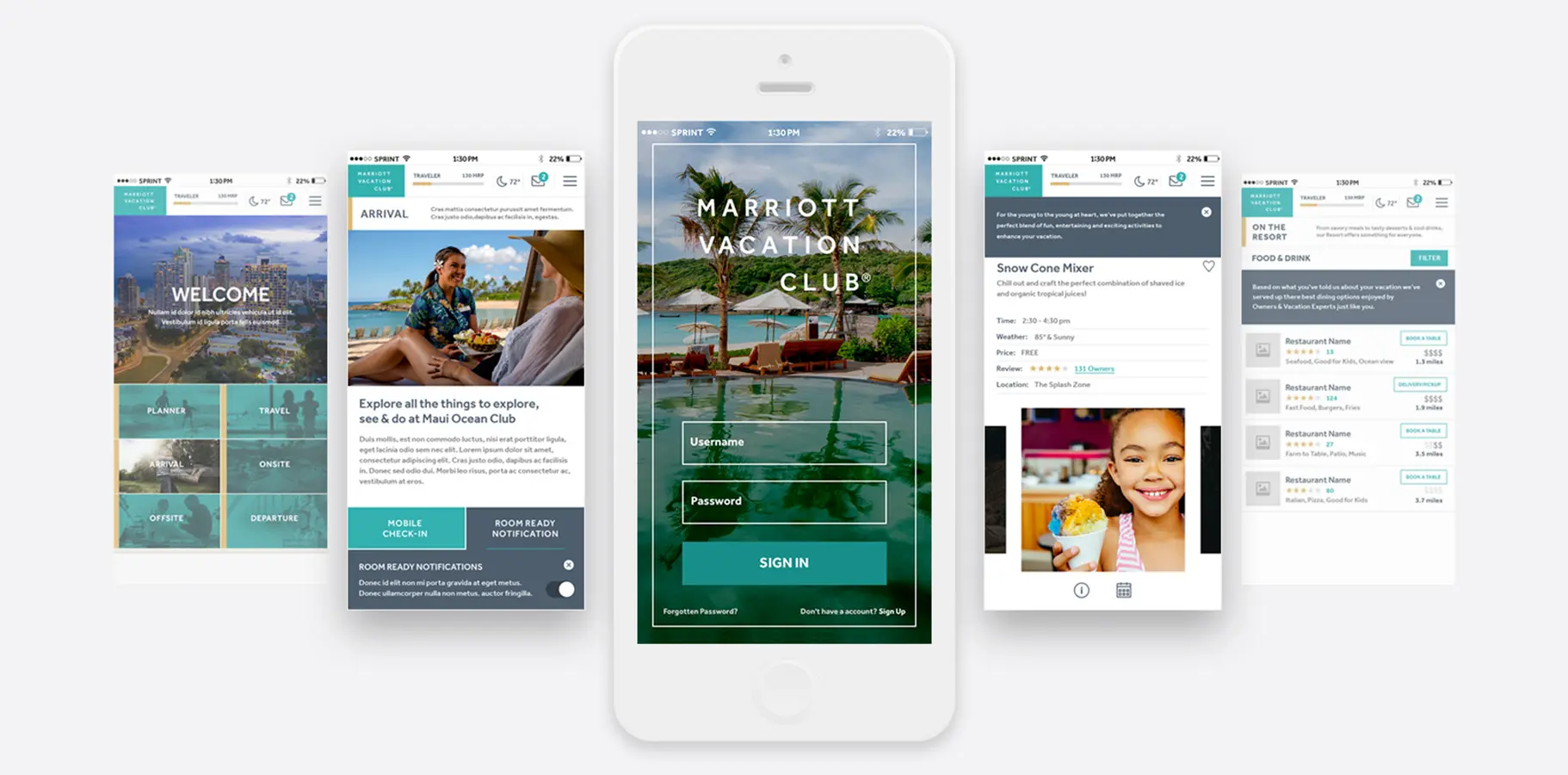
Over 60% of Marriott Vacation Club's browsing sessions happened on mobile. Mobile conversion rates were 40% lower than desktop. That gap wasn't a content problem. It was a design problem.
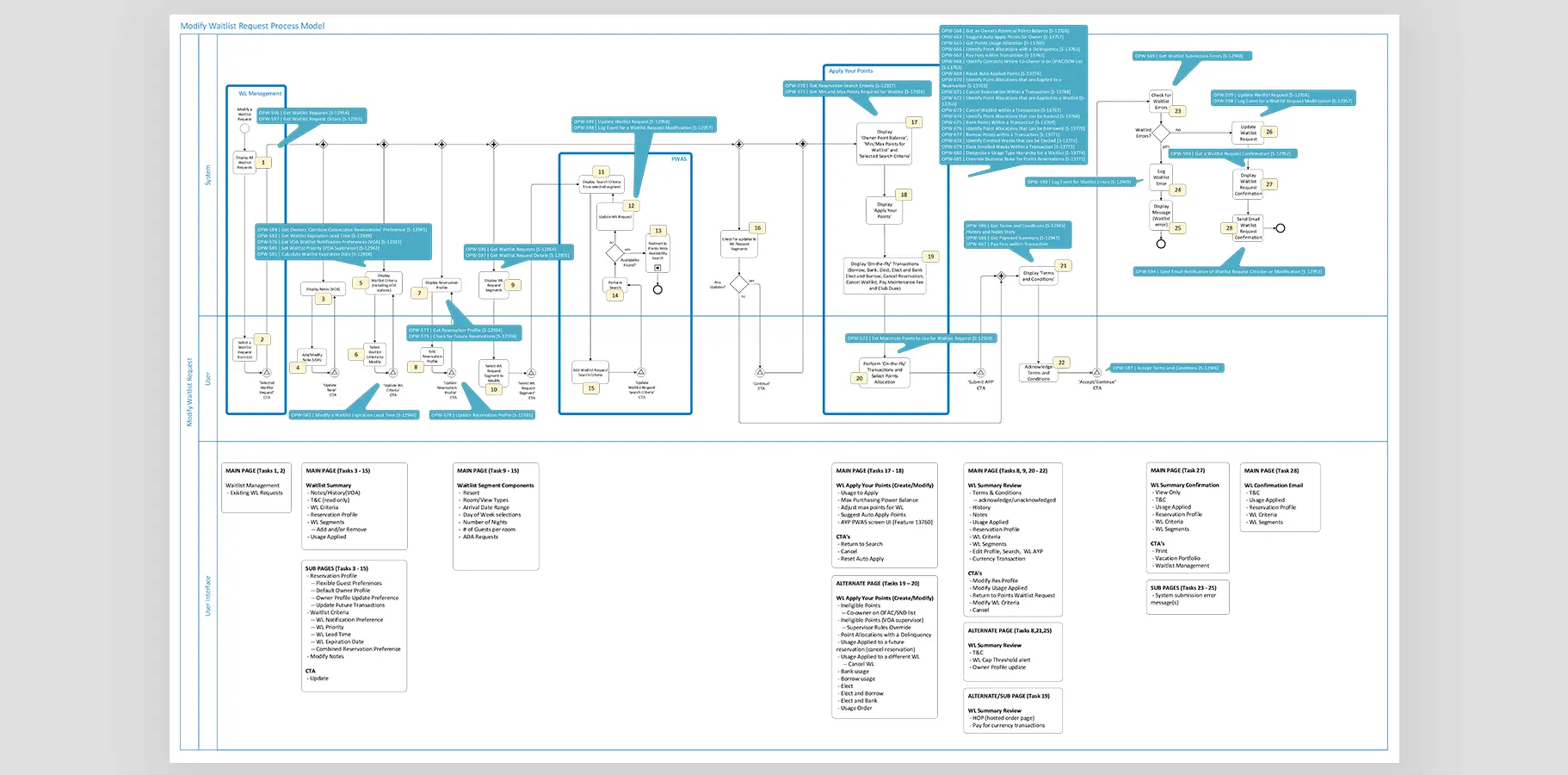
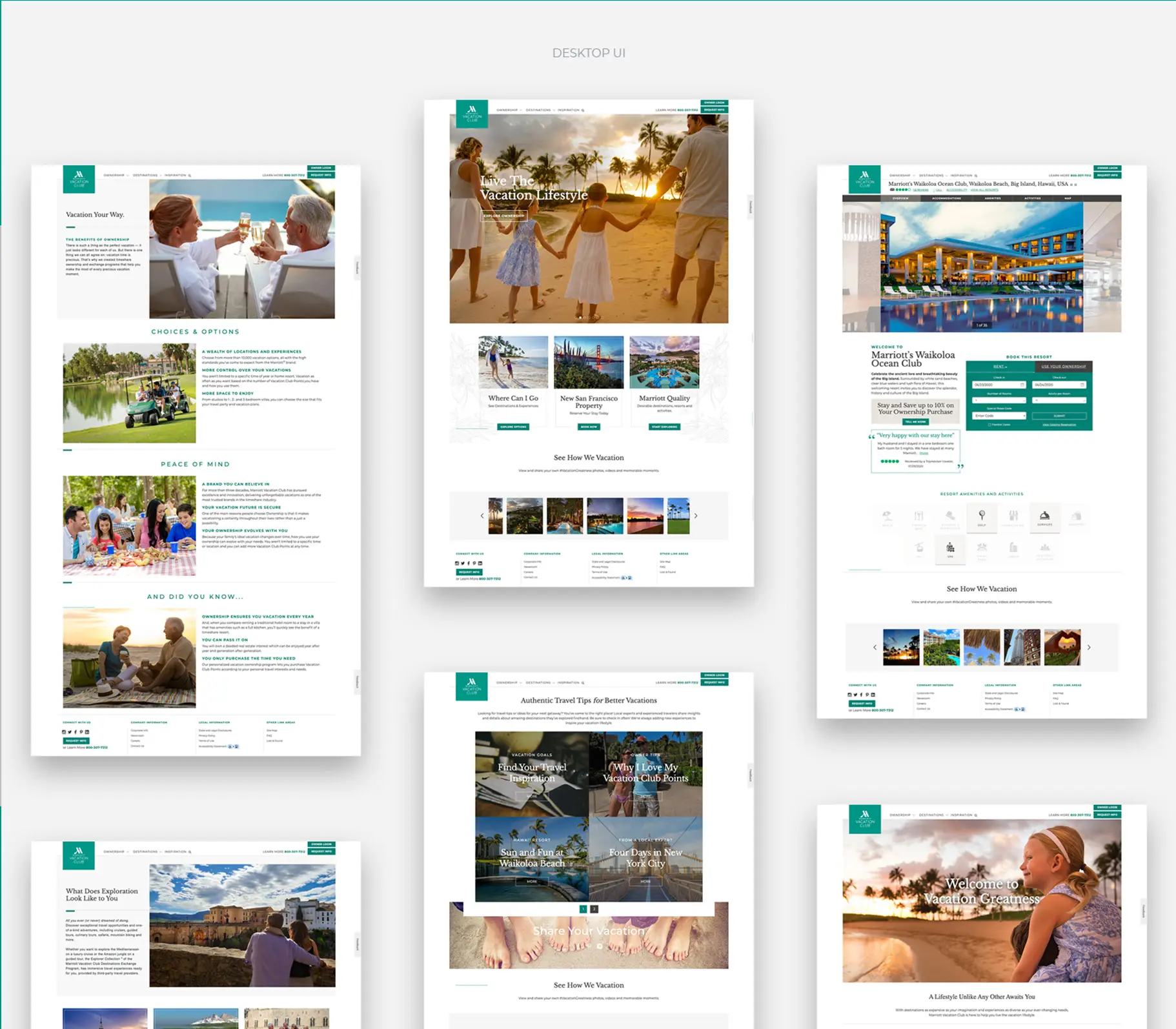
The existing mobile experience was a compressed version of a desktop site that was already struggling. Analytics mapped 47 distinct friction points across the core member journeys. Members didn't understand their own benefits, which drove underutilization and a spike in refund requests. The navigation had 12 top-level categories organized around internal business units, not around what members were actually trying to do. Booking a stay, the primary reason anyone opened the app, required navigating through layers that assumed you already knew the system.
Research & Discovery
I conducted heuristic audits across all digital touchpoints and facilitated stakeholder workshops with the executive team to surface the gap between business objectives and user reality. Behavioral analytics revealed where the journeys broke down. I ran usability testing with three distinct user groups: prospects evaluating membership, new members in their first year, and established owners managing complex point portfolios. Each group had different mental models and different failure modes.
The most consistent finding across all three groups: users needed reassurance more than they needed features. Members who understood their benefits booked more. The redesign had to make benefit comprehension the first job of the experience, not a secondary consideration buried in a FAQ section.
Strategic Approach
Navigation Simplification
I reduced primary navigation from 12 categories to three: Explore Destinations, Manage Membership, and Book Your Stay. The categories were named for what users wanted to do, not for how the business organized its data. Internal stakeholder alignment on this change was the hardest part of the project. It required co-authoring a five-year digital roadmap with C-suite stakeholders that positioned UX clarity as a revenue strategy, not a design preference.
Mobile-First Design System
I developed a gesture-driven interface built for thumb-zone accessibility and one-handed use. Progressive disclosure through card-based UI revealed complexity gradually, reducing cognitive overload during booking. The design system covered native iOS and Android applications with shared components: Welcome and Dashboard, Arrival and Travel Planning, Resort Activities, and Food and Beverage discovery. All components were built to WCAG 2.1 AA standards, which also served the brand's international user base and aging member demographic.
Brand Unification
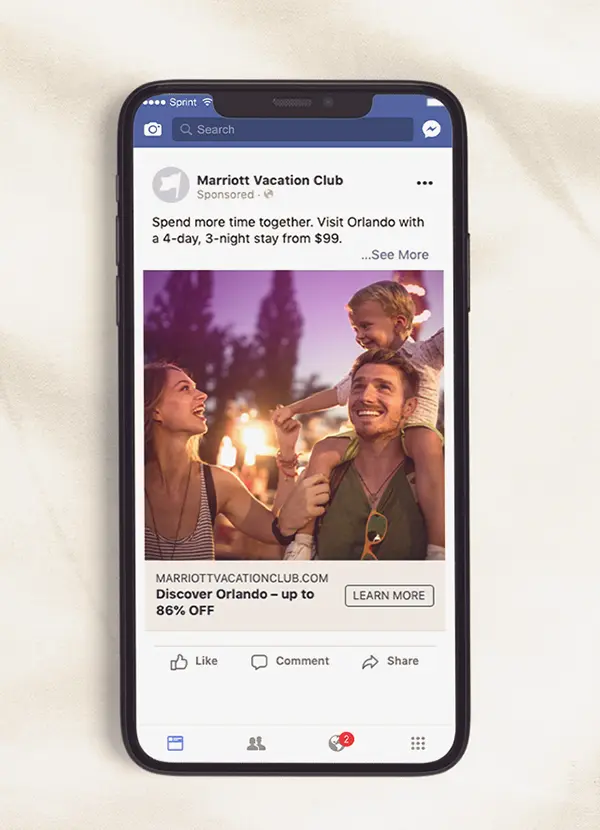
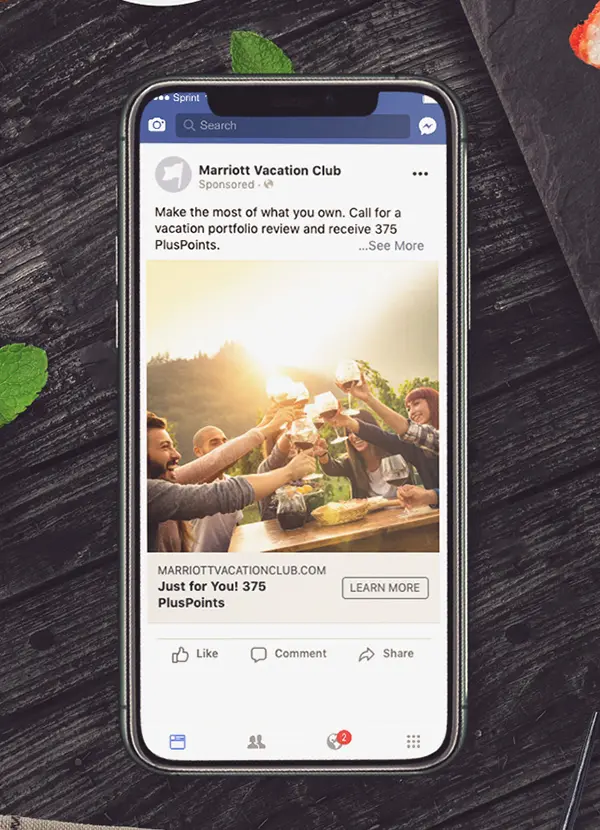
The engagement spanned four brands: Marriott Vacation Club, Hyatt, Sheraton, and ILG. Each had existing visual languages and internal teams who'd built them. My role was to establish a unified design language that created experiential consistency across all four without erasing the brand distinctions members already recognized. I established design-to-development handoff protocols and trained internal teams on the design system to ensure quality held across the organization after the engagement ended.
Results & Impact
Mobile conversion gap - 40% delta between mobile and desktop identified; redesign targeted parity
Navigation - Reduced from 12 categories to 3, organized by user intent not business structure
Friction points - 47 mapped across member journeys; addressed through IA restructure and progressive disclosure
Accessibility - Full WCAG 2.1 AA compliance across iOS, Android, and responsive web
Scope - Design system deployed across 4 brands with internal team training and governance documentation
My Contribution
I owned the research strategy, information architecture, interaction design, and design system on this engagement. The visual identity work for individual brands involved close collaboration with each brand's internal team, with me establishing the component architecture and accessibility framework they built within. One thing I'd do differently: push for longitudinal research with members over a 90-day period rather than relying on point-in-time usability testing. The long-tail behavior of members managing complex point portfolios is something we understood analytically but never directly observed.